
Dorking Chicken Breed: History, Traits, Eggs, Meat & Varieties
Discover why Dorking chickens are one of Britain’s oldest five-toed breeds, valued for their premium white meat and reliable egg production.
Introduction to the Dorking Chicken Breed
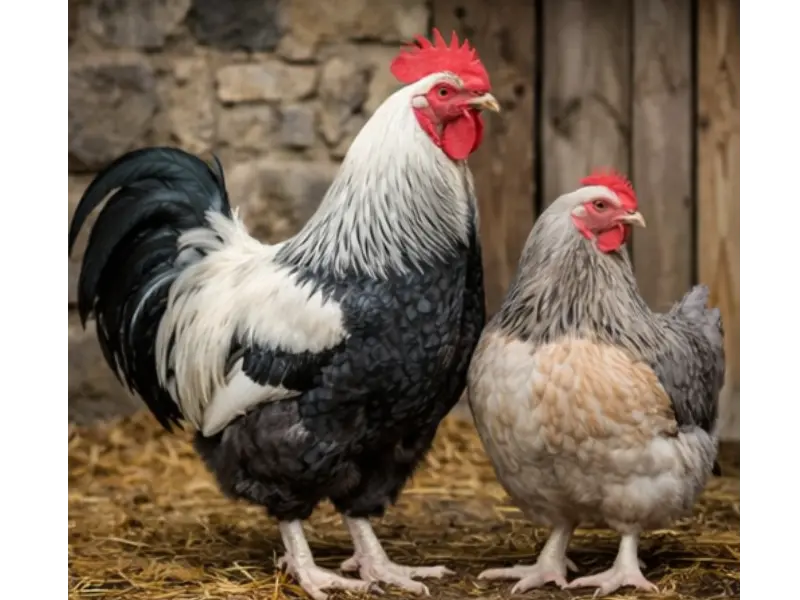
The Dorking chicken breed is one of the oldest and most historically significant poultry breeds in the world. Known for its calm personality, premium white meat, and unique five-toed feet, this rare British breed has earned a respected place in agricultural history. Long before modern hybrid chickens existed, Dorkings were prized as the ideal table bird for the London markets and valued equally for their dependable egg production.
Despite its outstanding qualities, the Dorking chicken breed is now considered rare. Yet for poultry enthusiasts, heritage breed keepers, and sustainable farmers, Dorkings remain a hidden gem. If you’re interested in heritage poultry, explore our guide to Geographical Chicken Breeds to discover other regionally developed breeds with rich histories and unique traits. Their gentle nature, winter egg-laying ability, and exceptional mothering instincts make them an excellent dual-purpose bird even today.
Origin and Historical Background
Roman Empire Theories
The origins of the Dorking chicken breed stretch back nearly 2,000 years. Many historians believe that five-toed chickens were introduced to Britain by the Romans during the first century AD. Roman writers described birds with large square bodies, white skin, and five toes—traits that closely resemble modern Dorkings.
Archaeological findings in Italy in the early 1900s revealed chickens remarkably similar to Dorkings, adding weight to the theory that these birds either originated in Italy or were exchanged between Roman territories.
Development in Surrey, England
What is certain is that the Dorking was firmly established in southern England for centuries. The breed takes its name from the market town of Dorking in Surrey, where birds were raised specifically for the London meat markets. Farmers in Kent, Surrey, and Sussex selectively bred these chickens to improve meat quality, body shape, and productivity, creating one of the finest table fowls of its time.
By the early 1800s, Dorkings were already well documented, making them one of Britain’s oldest recognized chicken breeds.
Physical Characteristics of Dorking Chickens
Body Shape and Size
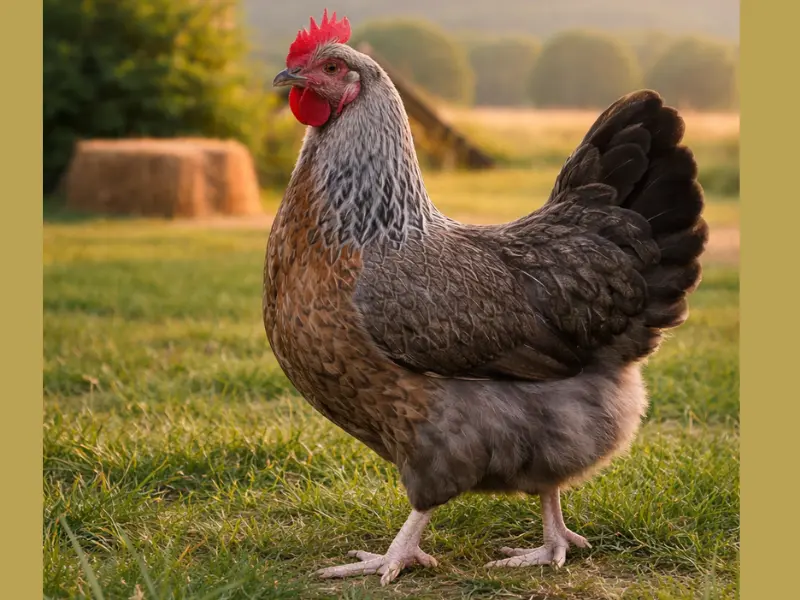
Dorking chickens have a distinctive rectangular body carried horizontally on very short legs. Their broad breast and long back give them a stocky, box-like appearance, perfectly suited for meat production. This structure is one reason the breed was once considered superior for the table.
Five-Toed Feet (Polydactyl Trait)
One of the most recognizable features of the Dorking chicken breed is its five toes on each foot instead of the usual four. This rare trait, known as polydactylism, links Dorkings to ancient poultry lines and sets them apart from most modern breeds.
Comb Types and Cold Sensitivity
Depending on the variety, Dorkings may have a single comb or rose comb. Their combs are relatively large, making them more susceptible to frostbite in extremely cold climates. For this reason, extra winter protection is recommended in harsh weather.
Temperament and Behavior
Docile and Friendly Nature
Dorking chickens are widely admired for their calm, gentle temperament. They are friendly, easy to handle, and well suited for families, beginners, and heritage breed keepers. Many owners describe them as “sweethearts” of the flock.
Pecking Order Considerations
Because of their docile nature, Dorkings should not be housed with aggressive breeds like Cornish or Old English Game chickens. They tend to fall to the bottom of the pecking order when bullied, so mixed flocks should be planned carefully.
Egg Production and Egg Characteristics
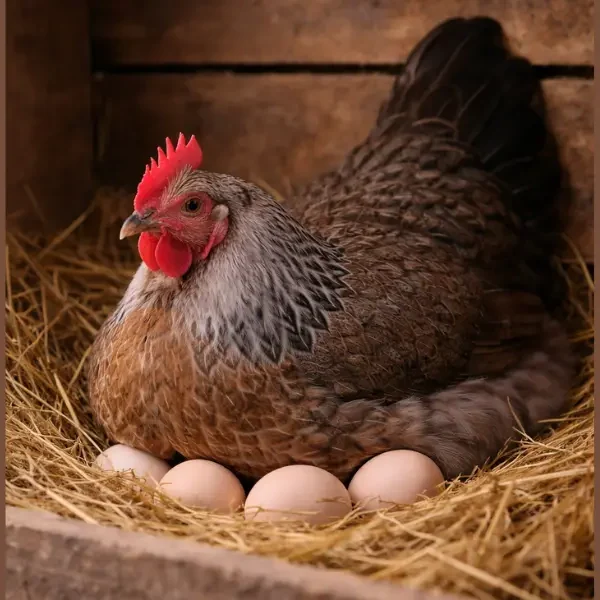
Although primarily famous for meat, the Dorking chicken breed is also a reliable layer. Hens typically produce 120 to 160 medium to large white-shelled eggs per year, with some lines reaching up to 200 eggs annually.
One unusual trait is that Dorkings have red earlobes yet lay white eggs, which is uncommon among chickens. They are especially valued for their ability to lay consistently during winter months, when many other breeds slow down.
Meat Quality and Table Value
Dorkings are renowned for their exceptional meat quality. The meat is white-skinned, finely textured, and well-marbled, offering superior flavor compared to many modern breeds. Historically, gourmet chefs—particularly in France—preferred Dorkings for their tenderness and rich taste.
This reputation made the breed the gold standard for table poultry in Britain for generations.
Broodiness and Mothering Ability
Dorking hens are naturally broody and make outstanding mothers. They are known to adopt abandoned chicks, protect young birds fiercely, and care for their offspring longer than most breeds. This strong maternal instinct makes them ideal for natural flock expansion.
Standard Weights and Growth Rate
|
Category |
Average weight |
|---|---|
|
Cock |
9–14 lbs |
|
Hen |
7–10 lbs |
|
Cockerel |
~8 lbs |
|
Pullet |
~6 lbs |
Bantam Dorkings exist but are extremely rare and usually found only through specialized breeders.
APA Recognition and Breed Status
The Dorking chicken breed was officially recognized by the American Poultry Association (APA) in 1874. Today, the APA recognizes the White, Silver Gray, Colored, Red, and Cuckoo varieties. Despite this recognition, Dorkings remain rare and are considered a heritage conservation breed.
Dorking Chicken Varieties Explained
White Dorking (RC)
Pure white plumage with an elegant sheen. Recognized only with a rose comb.
Silver Gray Dorking (SC)
The most common variety in the U.S., known for excellent meat quality and striking coloration.
Colored Dorking (SC)
A rare variety with rich black, straw, and salmon tones; historically influenced by Spanish breeds.
Red Dorking (SC)
Deep reddish-brown plumage; officially recognized in 1995 after nearly disappearing.
Cuckoo Dorking (SC & RC)
Barred gray feathers resembling a cuckoo bird; extremely rare today.
Frequently Asked Questions (FAQs)
1. Is the Dorking chicken breed good for beginners?
Yes, due to their calm temperament and gentle nature.
2. How many eggs do Dorking chickens lay?
Around 120–160 white eggs per year.
3. Are Dorking chickens cold hardy?
Moderately, but their large combs need protection from frostbite.
4. Why are Dorkings rare today?
They were replaced by faster-growing commercial hybrids.
5. Do Dorking chickens go broody?
Yes, and they are exceptional mothers.
6. What makes Dorking meat special?
Its fine texture, white skin, and rich flavor.
Conclusion
The Dorking chicken is a living piece of poultry history. With its ancient lineage, premium meat quality, reliable egg production, and gentle personality, it remains one of the finest dual-purpose breeds ever developed. Although rare today, Dorkings are well worth preserving for future generations of poultry keepers who value quality, heritage, and sustainability. For those interested in exploring another exceptional dual-purpose breed with its own rich history and backyard value, check out our post on the Wyandotte chicken.