
Vaccination Schedule for Broiler Chickens:
A Complete Day-by-Day Guide
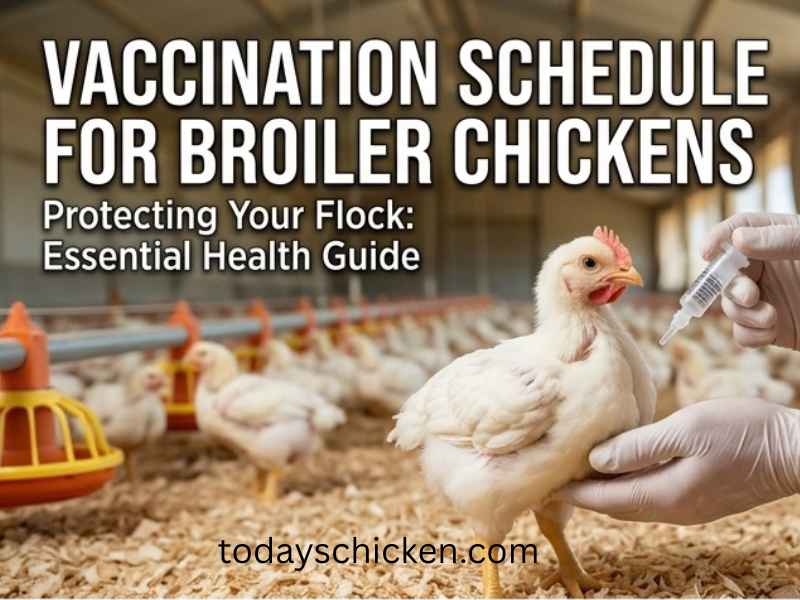
Raising healthy, fast-growing broilers depends on one thing more than any other: disease prevention. A well-planned vaccination schedule for broiler chickens protects your flock from the diseases that cause the biggest losses in poultry farming — Newcastle disease, Infectious Bronchitis, Gumboro (Infectious Bursal Disease), and Marek’s disease. Miss even one vaccine, and you risk sudden death, poor weight gain, and a wasted production cycle.
This guide breaks down the complete broiler vaccination schedule, explains why each vaccine matters, and shows you exactly how and when to administer it — whether you’re running a backyard flock or a commercial broiler house.
Did you know? Newcastle disease — one of the very first diseases on every broiler vaccination schedule — gets its name from Newcastle-upon-Tyne, England, where it was first identified in 1926. That same year, an outbreak of the same disease was recorded in Java, Indonesia, thousands of miles away — a reminder of just how fast and far a single unvaccinated flock can spread disease.
As the old farming proverb goes: “An ounce of prevention is worth a pound of cure.” Few places is that truer than in a broiler house.
Why Vaccination Matters in Broiler Farming
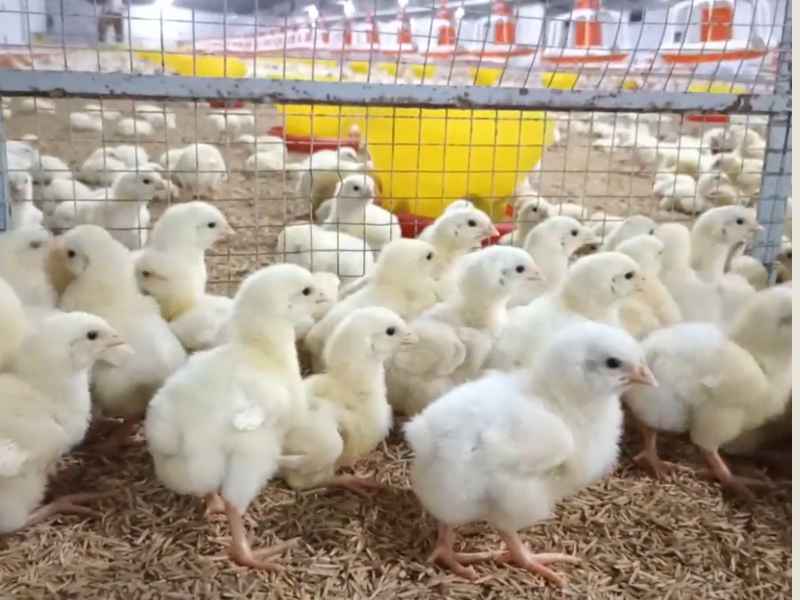
Broilers grow extremely fast — most reach market weight in just 35 to 42 days. That short lifespan doesn’t mean their immune systems are safe from disease; in fact, rapid growth puts extra stress on young chicks, making them more vulnerable to viral infections during the first three weeks of life.
A proper vaccination schedule for broiler chickens does three things:
- Prevents flock-wide outbreaks of highly contagious viral diseases
- Reduces mortality rate, which directly protects your profit margin
- Builds herd immunity, lowering the disease pressure on neighboring farms too
Without vaccination, a single case of Newcastle disease or Gumboro can wipe out an entire batch within days.
Factors That Affect the Broiler Vaccination Schedule
Before following any fixed chart, keep in mind that the exact vaccination schedule for broiler chickens can shift slightly based on:
- Regional disease pressure — areas with a history of Gumboro or Newcastle outbreaks may need earlier or extra doses
- Hatchery practices — many hatcheries now give the Marek’s vaccine in ovo (inside the egg) before chicks even hatch
- Flock size and housing type — open-sided vs. closed poultry houses carry different exposure risks
- Local veterinary guidelines — always confirm your schedule with a poultry veterinarian or your regional livestock department
According to the Merck Veterinary Manual, a widely referenced source among poultry professionals, vaccination programs are “highly variable” and should reflect local conditions, disease prevalence, and challenge severity — which is exactly why the chart below should be treated as a starting template, not a rigid rulebook.
Complete Vaccination Schedule for Broiler Chickens (Day-by-Day)
Here is the standard vaccination schedule for broiler chickens used across most commercial and small-scale operations:
| Day of Age | Disease Target | Vaccine Type | Route of Administration |
|---|---|---|---|
| Day 1 (Hatchery) | Marek’s Disease | HVT / Rispens strain | Subcutaneous injection (neck) |
| Day 1 | Newcastle Disease (ND) | Live vaccine (B1/La Sota strain) | Coarse spray or eye drop |
| Day 1 or Day 5–7 | Infectious Bronchitis (IB) | Live vaccine (Massachusetts strain) | Coarse spray or eye drop |
| Day 10–14 | Infectious Bursal Disease (Gumboro/IBD) | Intermediate strain live vaccine | Drinking water |
| Day 18–21 | Newcastle Disease (Booster) | La Sota strain | Drinking water |
| Day 18–21 | Infectious Bronchitis (Booster, optional) | Live vaccine | Drinking water or spray |
| Day 24–28 | Gumboro Booster (in high-risk zones only) | Intermediate/intermediate-plus strain | Drinking water |
Note: Farms in high-challenge Gumboro zones often add a second IBD dose around Day 18–19, while flocks raised past 42 days sometimes receive an extra Newcastle booster around Day 28.
Common Diseases This Schedule Prevents
Marek’s Disease
A highly contagious herpesvirus that causes tumors and paralysis. Because it spreads before chicks even develop full immunity, it’s vaccinated at the hatchery — often in ovo — making it the very first line of defense in any broiler vaccination schedule.
Newcastle Disease (ND)
One of the most economically damaging poultry diseases worldwide. It causes respiratory distress, drops in feed intake, and high mortality. The World Organisation for Animal Health lists it among the most reportable poultry diseases globally due to its rapid spread.
Infectious Bronchitis (IB)
A respiratory virus that reduces weight gain and feed conversion, even when it doesn’t kill the bird outright — making it a silent profit killer in broiler operations.
Infectious Bursal Disease (Gumboro/IBD)
Attacks the bursa of Fabricius, the organ responsible for immune development in young chicks. Birds that survive Gumboro often become immunosuppressed, making them vulnerable to every other disease on this list.
How to Administer Broiler Vaccines Correctly
Following the right vaccination schedule for broiler chickens is only half the job — correct administration matters just as much.
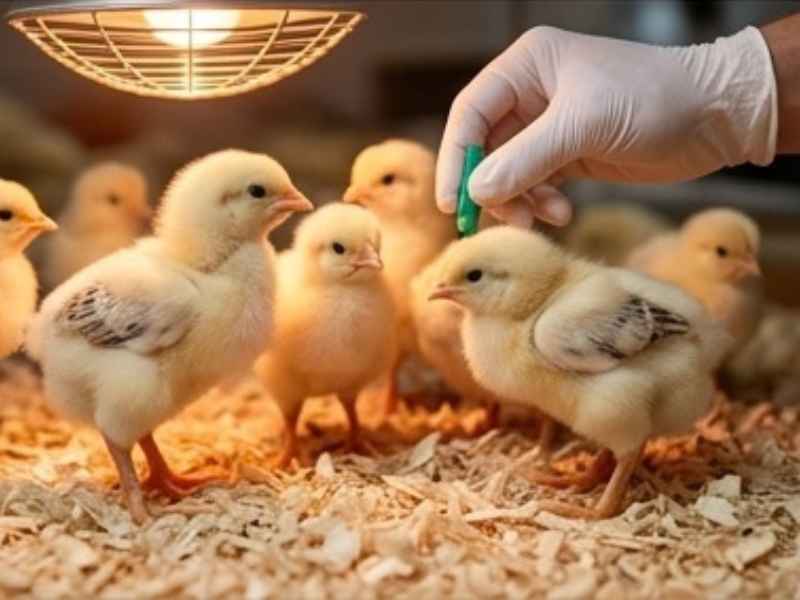
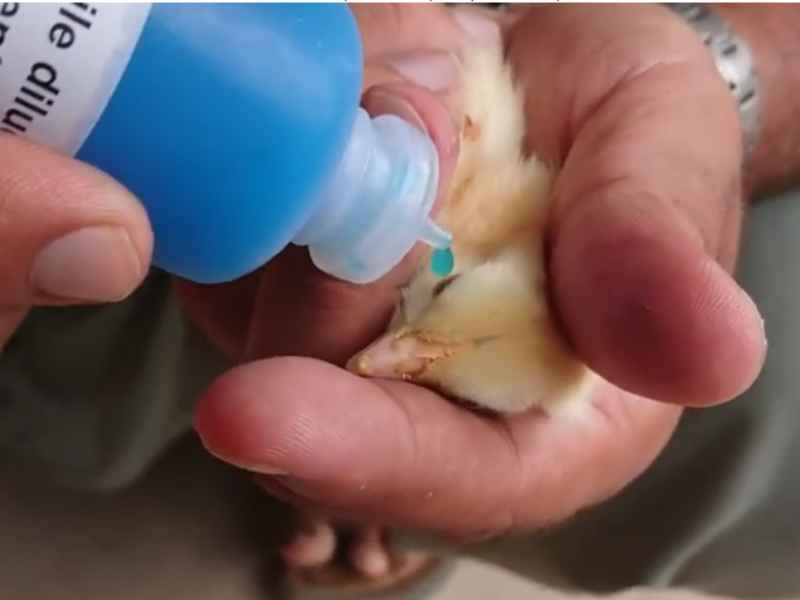
- Coarse spray: Best for Newcastle and IB vaccines at the hatchery; droplet size should be large enough to be inhaled through the respiratory tract without causing stress.
- Eye drop: Delivers a precise, individual dose directly to the mucous membrane — highly effective for small flocks.
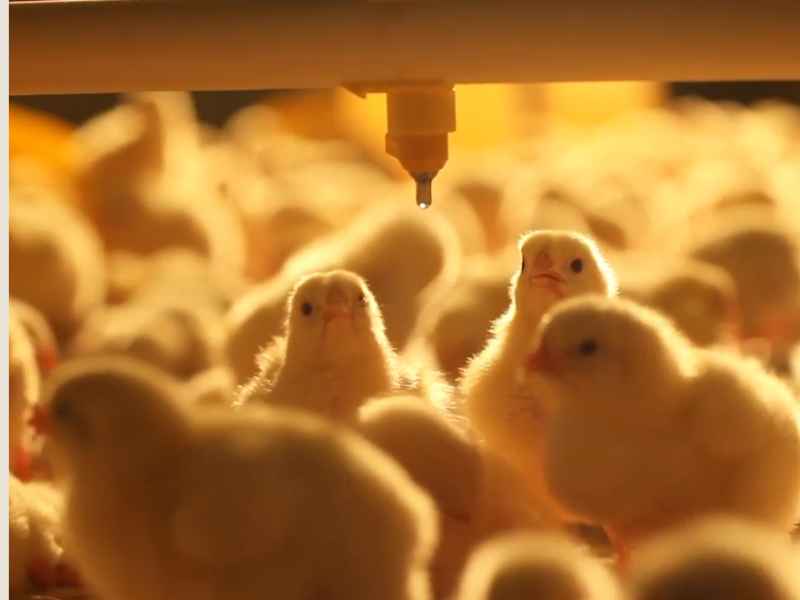
- Drinking water: The most common method for booster doses. Birds should be thirsted for 1–2 hours beforehand so they drink the vaccinated water quickly and evenly. Always use dechlorinated, cool water, and add skim milk powder to protect the live vaccine from chlorine and sunlight.
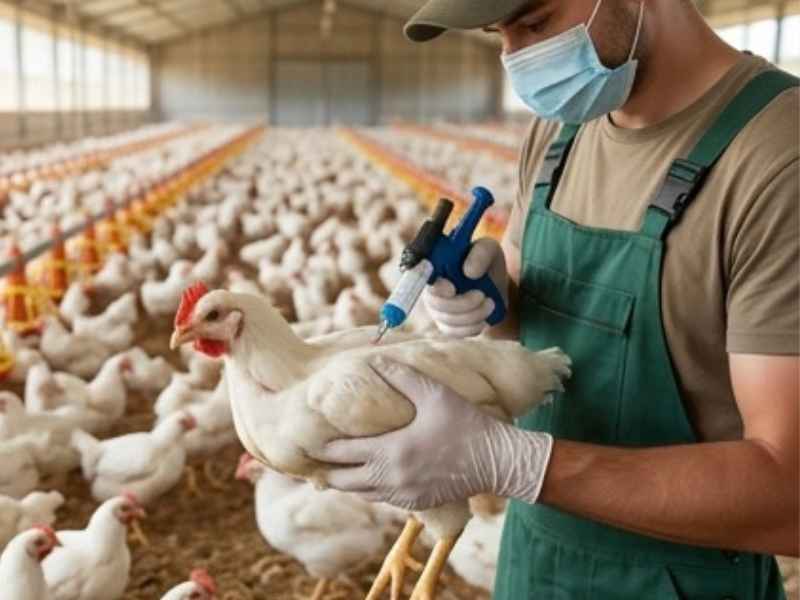
- Subcutaneous injection: Used mainly for Marek’s disease vaccine, typically administered at the hatchery under sterile, controlled conditions.
Vaccine Storage and Handling
Even a perfectly timed vaccination schedule for broiler chickens fails if the vaccine itself has lost its potency before it reaches the bird. Proper storage and handling are just as critical as the schedule:
- Store at 2°C–8°C in a refrigerator, never at room temperature
- Do NOT freeze — freezing damages the live virus and destroys the vaccine’s effectiveness
- Protect from sunlight, since UV exposure breaks down the vaccine quickly
- Use immediately after mixing — reconstituted vaccine has a very short shelf life, often just an hour or two
- Transport in a cool box with ice packs whenever moving vaccines from the pharmacy or supplier to the farm
Expired or overheated vaccines lose potency, which means birds may look “vaccinated” on paper while remaining completely unprotected. When in doubt, check the cold chain before you check the calendar.
Common Mistakes to Avoid
- Vaccinating sick or stressed birds — this weakens the immune response and can trigger a disease outbreak instead of preventing one
- Using chlorinated water for water-based vaccines, which kills the live virus before birds even drink it
- Skipping booster doses because chicks “look healthy” — immunity from the first dose fades without a follow-up
- Poor storage — live vaccines must stay refrigerated and be used within hours of reconstitution
- Ignoring biosecurity around vaccination day, which can introduce new pathogens exactly when the flock’s immunity is lowest
How Do You Know If Your Broiler Vaccination Program Is Working?
A few simple signs tell you the schedule is doing its job:
- Chicks grow evenly, with no weak or stunted birds in the batch
- Mortality stays low (under 4–5% for the full cycle)
- Few or no signs of coughing, sneezing, or breathing trouble
- Feed conversion stays on target as birds near market weight
If growth looks uneven or mortality creeps up, that’s usually the first clue something in the schedule — or the biosecurity around it — needs a closer look. For week-by-week feeding tips that support strong immunity, see our broiler chicken feed guide on Today’s Chicken.
Keeping Records of Your Vaccination Schedule
Even the best vaccination schedule for broiler chickens is only useful if you can track it. Keep a simple log — on paper or in a spreadsheet — noting the vaccine name, batch number, date given, route of administration, and the technician or farmworker who administered it. This record helps you:
- Spot patterns if a particular batch shows weak immunity or unexpected illness
- Prove compliance if you sell to buyers who require vaccination certificates
- Plan vaccine and equipment purchases ahead of the next hatch
- Calculate cost per bird more accurately when reviewing your overall farm budget
Many small farms skip this step, but it takes only a few minutes per batch and pays off the moment something goes wrong and you need to trace the cause.
Vaccination and Biosecurity Go Hand in Hand
No vaccination schedule for broiler chickens can fully protect a flock on its own. Vaccines reduce the severity and spread of disease, but they work best alongside solid farm hygiene:
- Disinfect footbaths, equipment, and vehicle tires before entering the poultry house
- Control rodents and wild birds, both known carriers of Newcastle disease and other pathogens
- Maintain proper litter management to reduce ammonia buildup, which weakens respiratory defenses
- Limit visitor access, especially from farms with a recent disease history
Think of vaccination as one layer of a broader disease-prevention strategy rather than a stand-alone solution.
Frequently Asked Questions
What is the vaccination schedule for broiler chickens?
The standard schedule starts with Marek’s disease at Day 1 (usually at the hatchery), followed by Newcastle disease and Infectious Bronchitis on Day 1, a Gumboro (IBD) vaccine around Day 10–14, and booster doses for Newcastle and IB between Day 18–21.
Which vaccine is given first to broiler chicks?
Marek’s disease vaccine is typically given first — often in ovo (inside the egg) or immediately at hatch — because the disease can infect chicks within their first few days of life.
How many vaccines does a broiler chicken need?
Most broiler flocks receive four to six vaccine doses across their 35–42 day lifespan, covering Marek’s disease, Newcastle disease, Infectious Bronchitis, and Gumboro, with boosters depending on local disease risk.
Can broiler vaccines be given through drinking water?
Yes. Newcastle disease and Gumboro booster vaccines are commonly administered through drinking water, provided the water is dechlorinated and birds are thirsted beforehand for even uptake.
What happens if a broiler vaccination is missed or delayed?
A missed dose leaves a gap in immunity, increasing the risk of an outbreak during that window. If a dose is missed, consult a poultry veterinarian immediately rather than skipping it entirely — a delayed vaccine is still better than none.
Do free-range or backyard broilers need the same vaccination schedule?
Smaller and backyard flocks still need protection against Newcastle disease, Marek’s, and Gumboro at minimum, though the exact schedule can be simplified based on local disease risk and flock size.
A consistent, well-timed vaccination schedule for broiler chickens is one of the highest-return investments a poultry farmer can make. The vaccines themselves cost very little compared to the losses caused by a single disease outbreak. Start with the day-by-day chart above, adjust it with input from a local veterinarian, and pair it with good biosecurity, clean water, and proper brooding temperature for the best possible results.
This article is for general educational purposes. Always consult a licensed poultry veterinarian to design a vaccination program suited to your region and flock.