
Best Egg Laying Breeds in Pakistan: A Complete Guide for Backyard and Small Farms
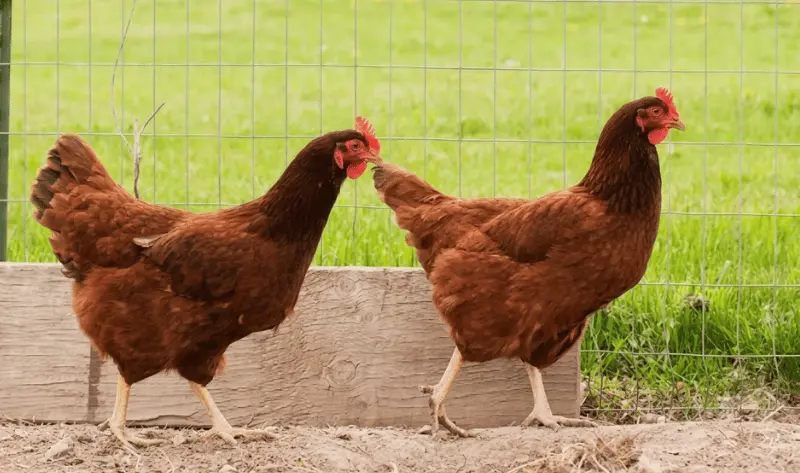
If you’re planning to raise egg laying hens in Pakistan — whether it’s a few birds in your backyard or the start of a small poultry business — the breed you pick matters more than almost anything else. Pakistan’s climate is not the same as the UK or the US, where most global breed guides are written. Summers here regularly cross 40°C in Punjab and Sindh, feed costs and availability differ by region, and most beginners are working with a specific budget in rupees, not a vague “starter flock” concept.
This guide is built around those realities: which hens actually perform well in Pakistan’s heat, what they cost in the local market right now, where to buy them, and how to pick the right bird for your region and budget.
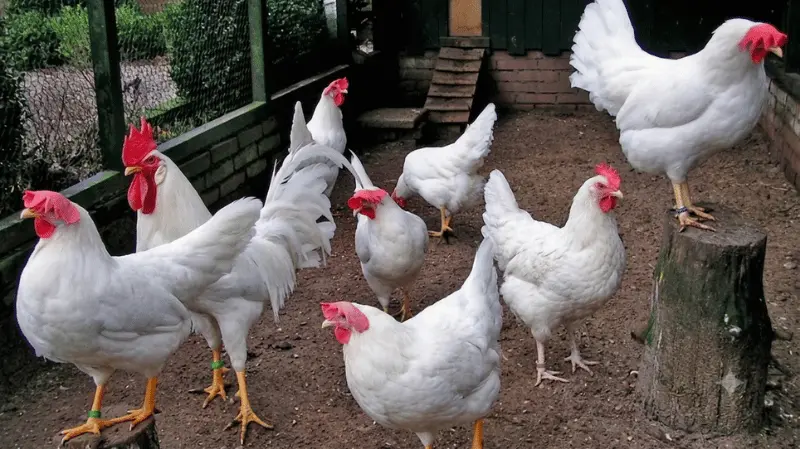
Looking for a global breed-by-breed ranking with detailed egg production stats? Check out our complete guide to the best layer chickens for a full breakdown of commercial hybrid breeds worldwide.
Why Pakistan’s Climate Changes the Answer
A layer that lays 320 eggs a year in a climate-controlled shed in Europe won’t necessarily do the same in a village in southern Punjab. Two things matter more here than in most breed guides:
Heat tolerance
From May to August, many regions of Pakistan regularly exceed 40°C. Heat-stressed hens eat less, drink more, and lay fewer eggs — some stop laying altogether during peak summer.
Access to resources
Not every keeper has access to climate-controlled housing, imported feed, or a nearby vet. Hardier, locally adapted breeds are often the more practical choice for backyard and small-scale setups.
Keep both factors in mind as you weigh production numbers — the highest egg count on paper isn’t useful if the bird can’t handle your summer.
The 9 Best Egg Laying Hens in Pakistan
1. Golden Misri
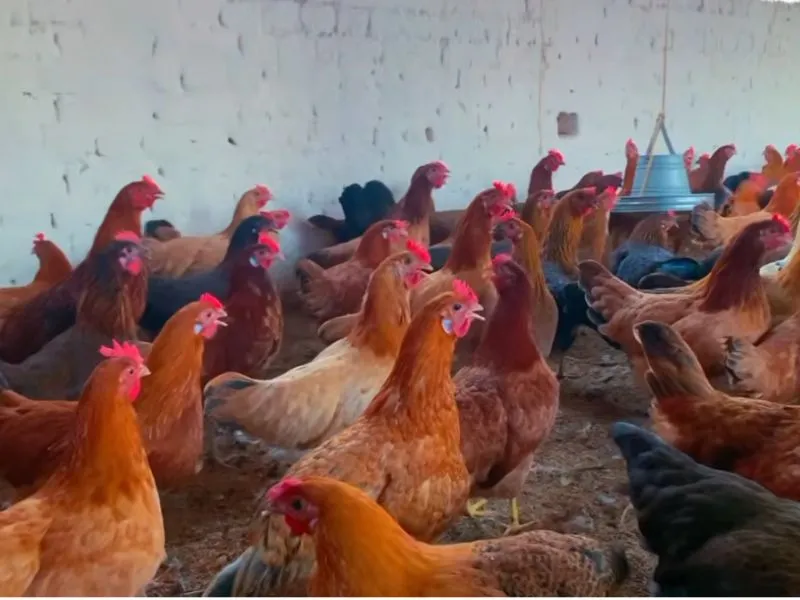
Golden Misri is one of the most commonly kept egg-laying breeds in Pakistani households and small farms, and for good reason. It’s a hardy, low-maintenance bird that adapts well to hot, cold, humid, and dry conditions alike, and it can largely scavenge for its own food, which keeps costs low. It’s a genuinely local breed — well suited to varied conditions across Pakistan rather than bred for one specific climate.
2. Fayoumi
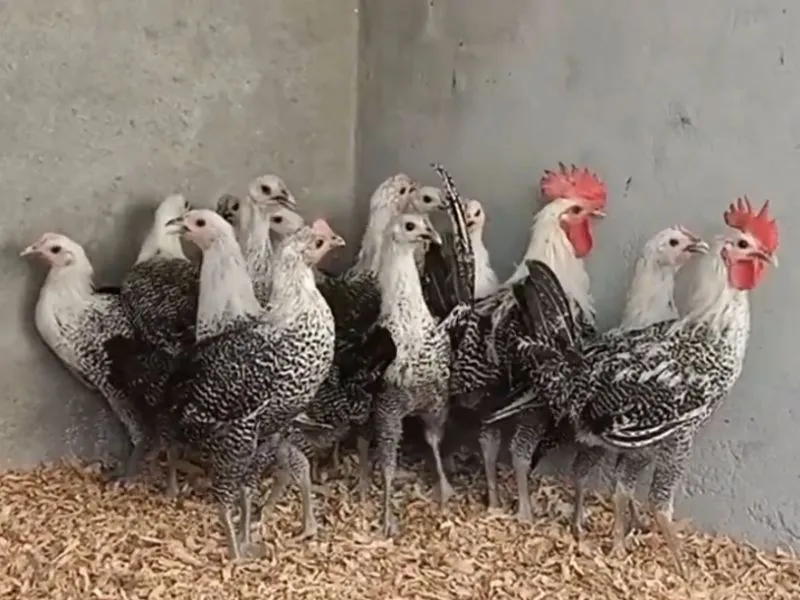
Originally from Egypt, the Fayoumi was bred for a climate not unlike Pakistan’s — and it shows. This is the breed to consider if you’re in Multan, Bahawalpur, Sukkur, or anywhere summer temperatures regularly climb past 45°C.
3. ISA Brown
ISA Brown is a French-developed hybrid (the name stands for Institut de Sélection Animale) that has become increasingly common in Pakistan over the past decade, particularly among small and mid-sized commercial keepers. It’s known internationally for being a calm, reliable layer, and that reputation holds up reasonably well in Pakistan’s warmer climate too.
4. Lohmann Brown
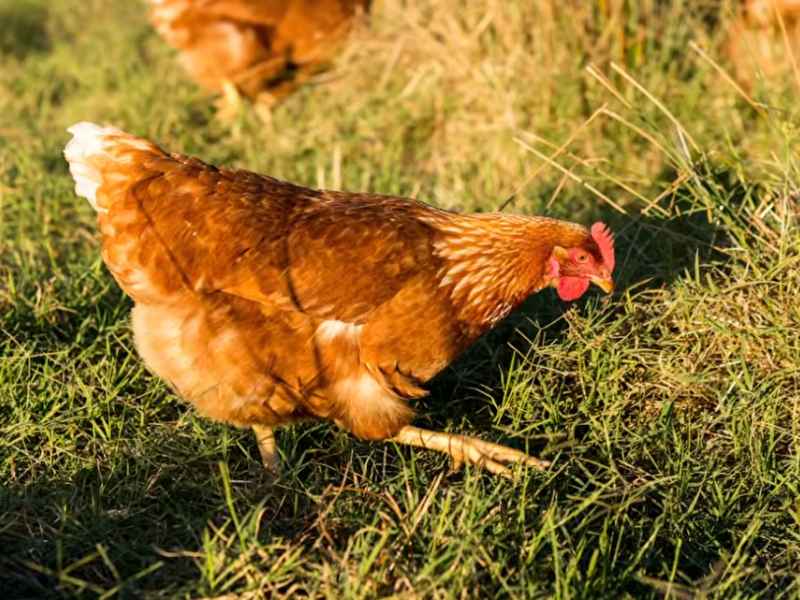
Lohmann Brown is arguably the single most popular commercial layer breed in Pakistan today. It’s distributed locally through Samundri Chicks near Faisalabad, which has represented Lohmann Tierzucht genetics in Pakistan since 2005, giving the breed one of the most established supply chains in the country.
5. Leghorn (White Leghorn)
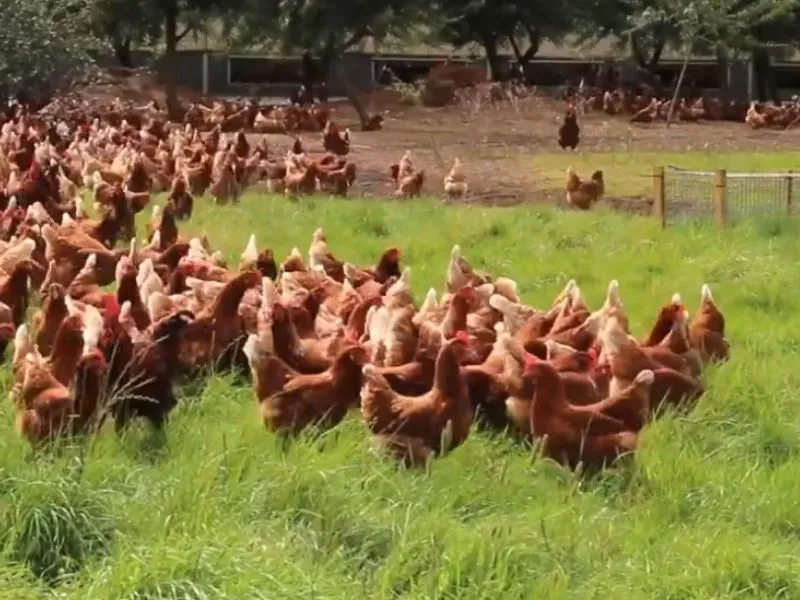
Leghorn is usually known internationally as the White Leghorn — worth clarifying, since the breed’s egg color (white) and its most common plumage color (white) are often confused with each other; brown-plumaged Leghorn varieties do exist, but they lay the same white eggs as their white-feathered relatives. It’s one of the highest-producing breeds in the world and is used in commercial operations across Pakistan, though it demands more active management than most breeds on this list.
6. Hy-Line
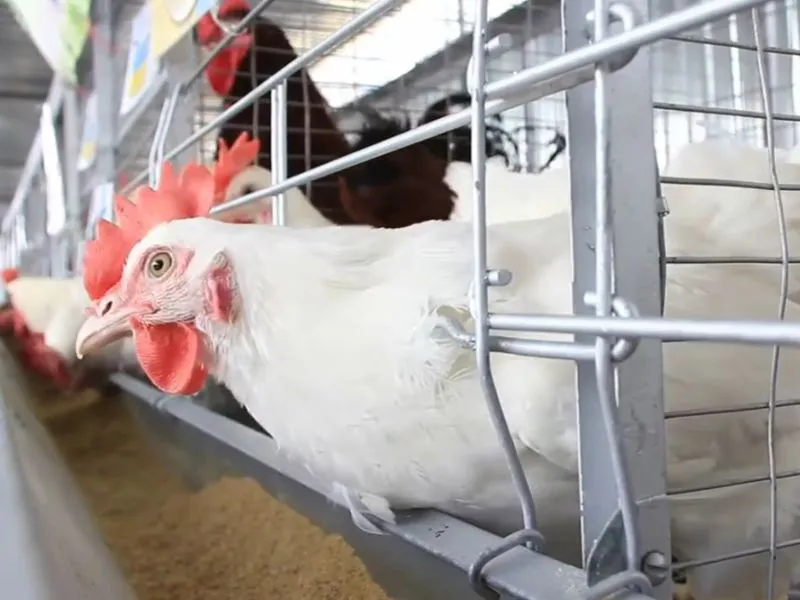
Hy-Line is one of the three commercial layer breeds most commonly cited alongside Lohmann Brown and ISA Brown as the backbone of Pakistan’s managed egg industry. It’s bred specifically for high-volume, disease-resistant commercial production and is generally kept in managed farm environments rather than backyard flocks.
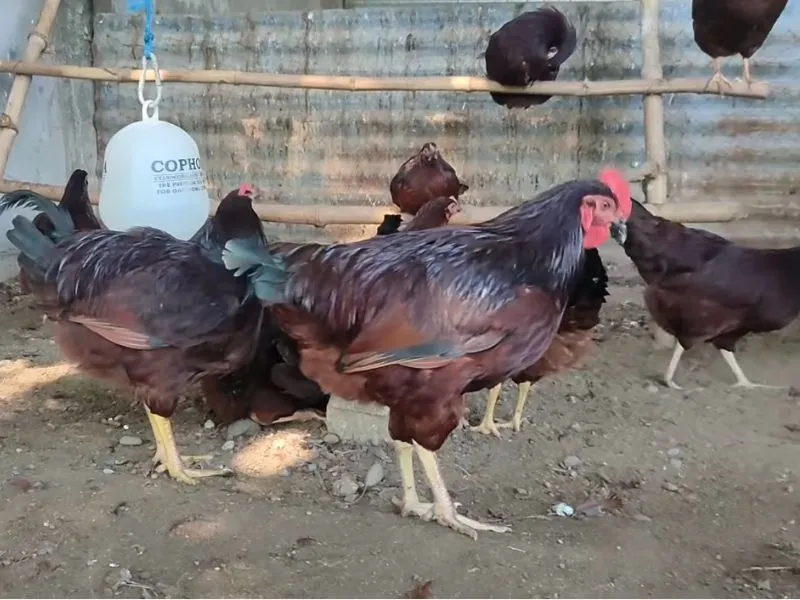
7. Rhode Island Red (RIR)
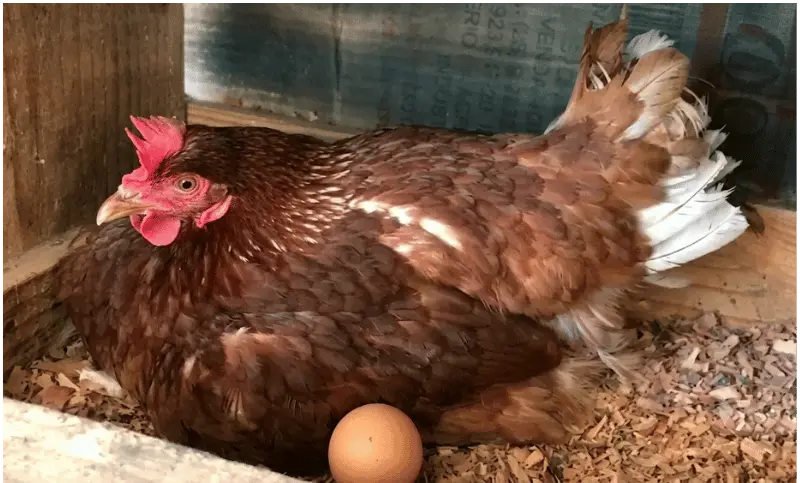
RIR is a dual-purpose breed that’s become a household name in Pakistan for a reason — it lays reliably, tolerates a wide range of conditions, and still has value as a meat bird once its laying years slow down. It’s frequently recommended as the best all-around choice for first-time keepers.
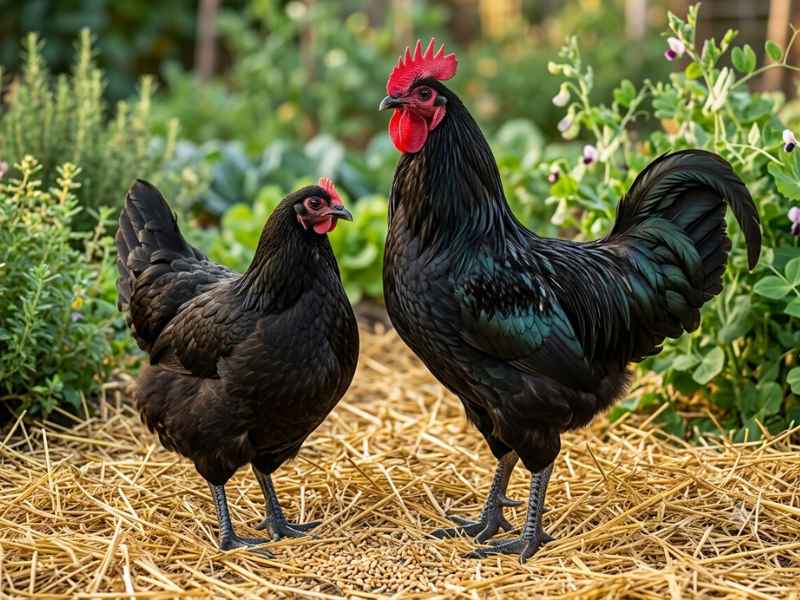
8. Australorp
Australorp is an Australian breed with dark, glossy black plumage, and its popularity in Pakistan has been growing steadily. It’s well regarded for combining decent egg production with a gentle temperament and strong longevity.
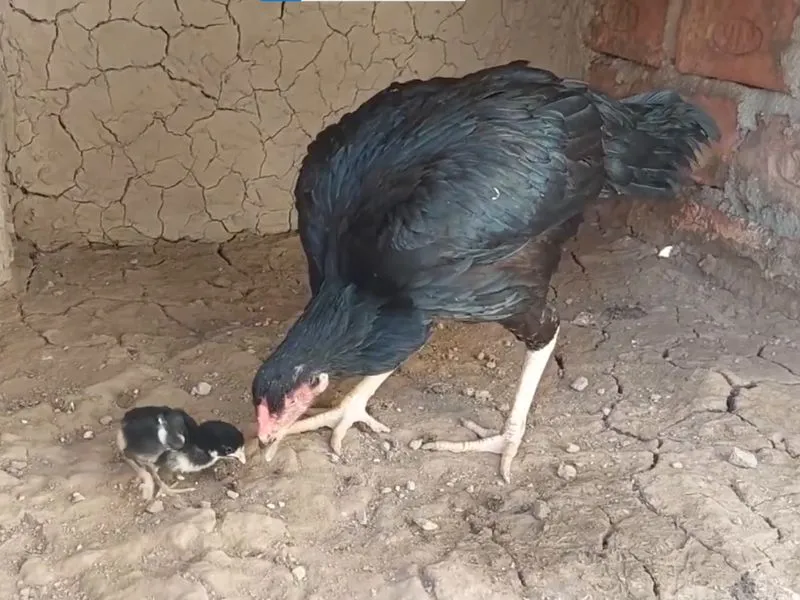
9. Desi Hens
Local desi hens aren’t going to compete with commercial breeds on egg count, but they remain a practical choice for rural households across Pakistan. They’re broody (so they’ll hatch their own chicks, unlike Golden Misri or the commercial hybrids), require minimal infrastructure, and are naturally resistant to local disease pressures. If you want to learn more about this traditional desi hen and the different varieties found in Pakistan, you can read our detailed guide on Aseel chickens.
Price Comparison (Pakistani Market)
Prices vary by region, season, and whether you’re buying chicks, pullets, or point-of-lay hens. These are approximate ranges seen in local markets and online listings:
|
Breed |
Typical Price Range (PKR) |
Egg Color |
Eggs (approx.) |
Best For |
|---|---|---|---|---|
|
Golden Misri |
350–800 (by age/weight) |
Cream to light brown |
150–180 |
Beginners, backyard |
|
Fayoumi |
Varies by supplier |
White |
150–200 |
Hot regions, low-input setups |
|
Desi Hen |
500–1,500 |
Light brown |
100–150 |
Rural, self-sustaining flocks |
|
Rhode Island Red |
1,500–3,500 |
Dark brown |
250–300 |
All-rounder, first-timers |
|
Australorp |
1,200–1,500 (mixed); 8,000–12,000 (pure) |
Light brown |
~250 |
Growing backyard popularity |
|
Lohmann Brown |
Sourced via hatcheries |
Brown |
300–320 |
Small commercial operations |
|
ISA Brown |
Sourced via hatcheries/dealers |
Brown |
300–320 |
Small/mid commercial operations |
|
Leghorn (White) |
Sourced via hatcheries |
White |
280–330 |
High-volume commercial |
|
Hy-Line |
Sourced via hatcheries/dealers |
Brown or White |
300–320 |
Structured commercial farms |
Where to Buy Egg Laying Hens in Pakistan
Online marketplaces
OLX Pakistan and Kisanlink are commonly used for desi, Golden Misri, and RIR listings from individual sellers and small breeders.
Livestock marketplaces
Platforms like FarmGhar list hens by breed and region.
Commercial hatcheries
For Lohmann Brown or ISA White at scale, sourcing through established hatcheries (e.g., Samundri Chicks near Faisalabad, or HB Chicks) is more reliable than informal listings.
Local livestock markets (mandis)
Still the most common source for desi and Golden Misri hens in many towns.
Starting a Small Egg-Laying Business in Pakistan
A lot of people researching this topic aren’t just looking for backyard eggs — they’re weighing a small poultry business, often on a budget under Rs. 50,000. A few practical notes if that’s your goal:
- Start with hardy breeds. Golden Misri or RIR let you learn the basics without the tighter management margins commercial hybrids demand.
- Financing exists. Institutions like ZTBL (Zarai Taraqiati Bank Limited) offer financing schemes specifically for Golden Misri poultry farming, citing its low input cost and adaptability to Pakistan’s varied climate.
- Scale gradually. Most successful small operations start with 10–20 birds to learn feeding, housing, and disease management before expanding.
Choosing Egg Laying Hens by Region
- Punjab and Sindh (extreme summer heat): Fayoumi or Golden Misri; ensure shaded housing and constant water access from May–August.
- KP and northern areas (cooler, more temperate): Rhode Island Red and Australorp perform well and tolerate the wider temperature swings.
- Balochistan (arid, hot days, cool nights): Desi hens and Fayoumi handle the extremes better than commercial hybrids.
- Peri-urban commercial setups (Faisalabad, Lahore outskirts, etc.): Lohmann Brown, ISA Brown/White, Leghorn, or Hy-Line, given established local hatchery support and their need for more structured management.