
Rhode Island Red Chicken: Complete Guide to Eggs, Size, Temperament & Care
The Rhode Island Red chicken is a hardy American dual-purpose breed and one of the best brown-egg layers among dual-purpose birds. A good hen lays roughly 200 to 300 large brown eggs a year, starts laying at about 5 months, and stays productive for 2 to 3 strong years. Roosters weigh about 3.9 kg and hens about 2.9 kg.
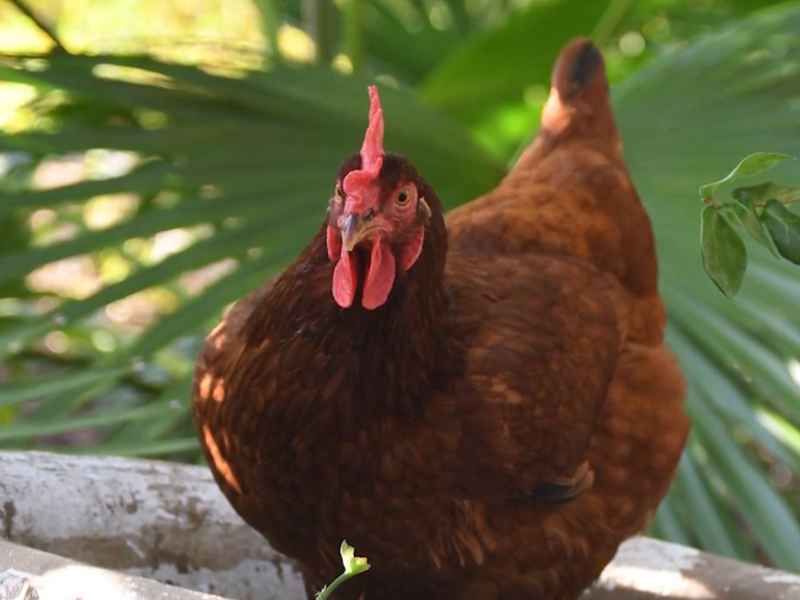
If you want a bird that keeps laying even when conditions are not perfect, the Rhode Island Red chicken deserves a place at the top of your list. This breed has been dominating backyard and farm flocks for well over a century. Below you will find everything people ask on Google: how many eggs it lays, for how long, what color the eggs are, which crosses are famous, and whether it suits your farm.
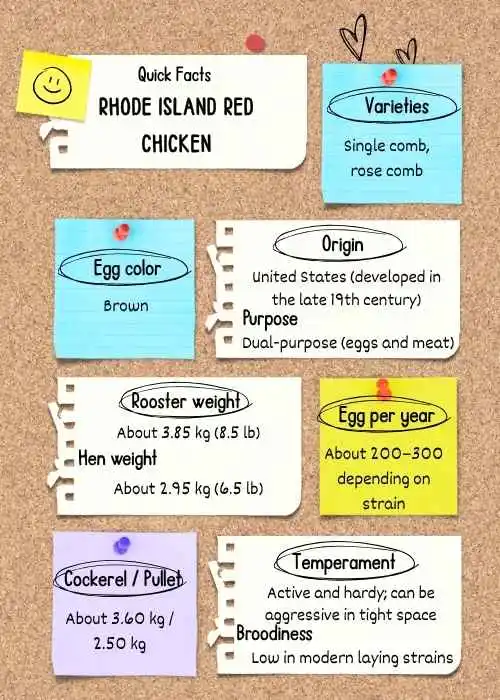
Rhode Island Red Chicken Quick Facts
|
Feature |
Details |
|---|---|
|
Origin |
United States (developed in the late 19th century) |
|
Purpose |
Dual-purpose (eggs and meat) |
|
Egg color |
Brown |
|
Eggs per year |
About 200–300 depending on strain |
|
Rooster weight |
About 3.85 kg (8.5 lb) |
|
Hen weight |
About 2.95 kg (6.5 lb) |
|
Cockerel / Pullet |
About 3.60 kg / 2.50 kg |
|
Varieties |
Single comb, rose comb |
|
Temperament |
Active and hardy; can be aggressive in tight space |
|
Broodiness |
Low in modern laying strains |
What Is a Rhode Island Red Chicken?
The Rhode Island Red chicken is a dual-purpose breed, meaning it is raised for both eggs and meat. Among all dual-purpose chickens, the RIR (Rhode Island Red) is widely considered the best layer. That reputation comes from one simple strength: toughness. These birds are hardy enough that they keep producing eggs even on marginal diets and in poor coop conditions. Good feed and housing still give better results, but this toughness is why beginners and commercial farmers both love the breed.
If you are comparing layers, also read our guide to the best layer chickens and our list of egg-laying hens in Pakistan.
Origin and History of the Rhode Island Red
The Rhode Island Red chicken comes from America. It was developed in Massachusetts and Rhode Island in the late nineteenth century by cross-breeding birds of Oriental origin, the Malay, with brown Leghorn birds from Italy. Breeders wanted a tough bird that laid well and also carried enough meat for the table, and they got it.

The breed became so important that it is the state bird of Rhode Island. A monument honoring the Rhode Island Red chicken stands in the hamlet of Adamsville in Little Compton, Rhode Island, as a tribute to the way the breed dominated domestic chicken breeds in the 19th century. For deeper background, see the Rhode Island Red entry on Wikipedia.
What Does a Rhode Island Red Chicken Look Like?
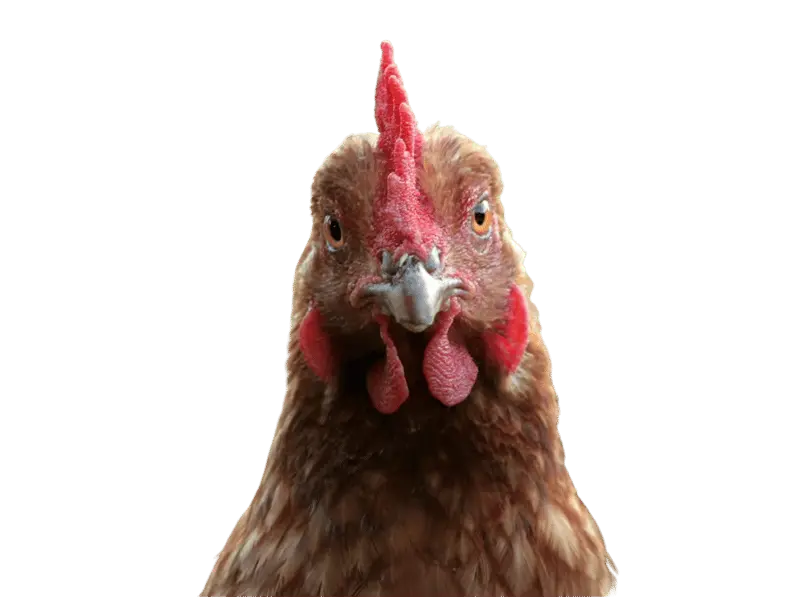
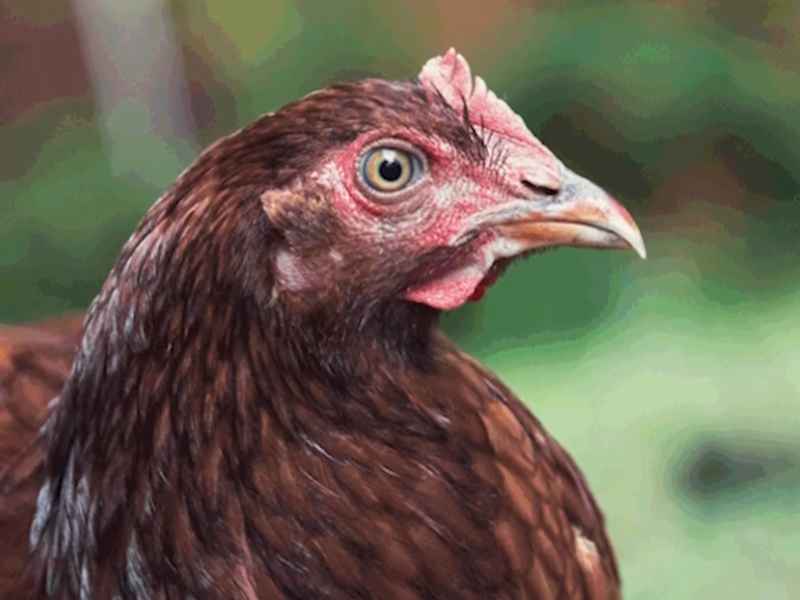
A Rhode Island Red chicken is easy to recognize once you know the features:
- Eyes and ear lobes: red
- Body: long and rectangular
- Beak: reddish horn color
- Legs and feet: yellow, with a small shade of red on the toes and sides of the shanks
- Plumage: lustrous, deep red; darker shades also exist
- Tail: mostly black
- Chicks: light red to tan
Rhode Island Red Varieties: Single Comb vs Rose Comb
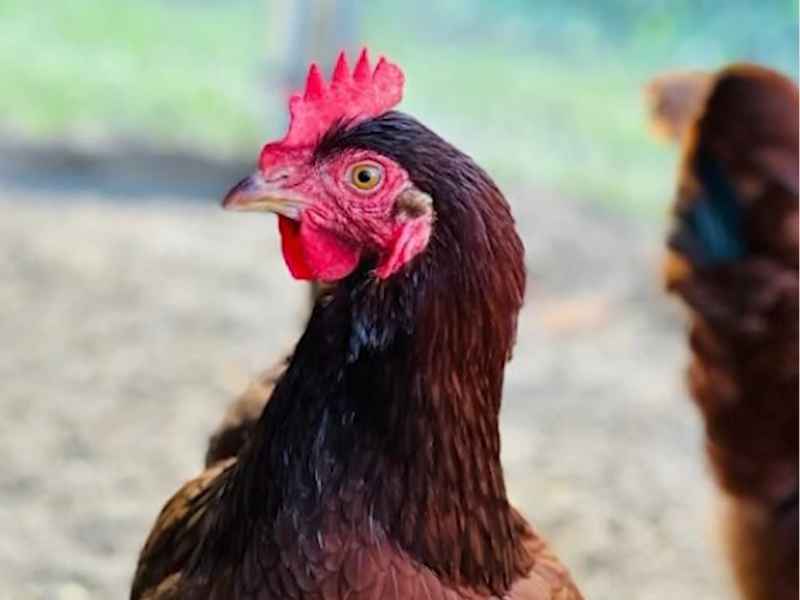
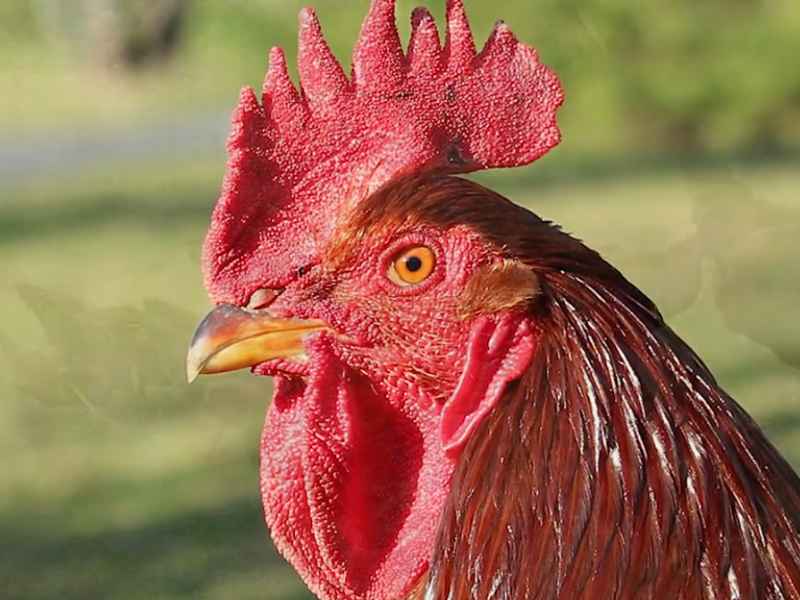
Single comb
the classic upright comb with several points. It is the most common type, but it can suffer frostbite in very cold climates.
Rose comb
a flatter, compact comb that ends in a small spike. It handles cold better and is less likely to be damaged.
Both varieties have the same body type, color and laying ability.
How Big Is a Rhode Island Red? Average Weight
Standard weights for the Rhode Island Red chicken:
- Rooster (cock): 3.85 kg (about 8.5 lb)
- Hen: 2.95 kg (about 6.5 lb)
- Cockerel: 3.60 kg
- Pullet: 2.50 kg
These weights make them heavier than Leghorns but lighter than meat-only breeds, which is why they are called dual-purpose. If you are curious about meat-focused birds, see our article on heritage vs commercial chicken breeds.
Rhode Island Red Temperament: Are They Aggressive?
t hens are active, curious and busy foragers. Roosters, however, can be aggressive toward people and other birds. Rhode Island Reds can show aggression especially when they are kept in small space, and they often bully calmer breeds such as Cochins or Silkies. To keep the peace:
- Give each bird enough room (about 4 square feet per bird inside and 10 square feet in a run is a good rule of thumb).
- Add multiple feeders and waterers so dominant birds cannot guard them.
- Avoid mixing them with very gentle or small breeds.
- Handle roosters calmly and never turn your back on an aggressive one.
Most Reds used to show broodiness, but this trait has been partially eliminated in some of the best egg-production strains. That means modern hens rarely sit on eggs, so if you want natural hatching, you may need a broody breed or an incubator.
How Many Eggs Does a Rhode Island Red Lay?
This is the number one question on Google, so here is a clear answer.
A healthy Rhode Island Red hen from a good laying strain lays roughly 200 to 300 eggs per year. Hatchery layer strains commonly lay around 150 to 200 eggs a year in average backyard conditions, while top production lines can reach about 310 eggs in the first laying year and around 220 in the second year. That works out to about 4 to 6 eggs per week at peak. See also our guide to egg production in chickens.
Real numbers depend on:
- Strain: production lines lay more than heritage show lines.
- Feed: a layer feed with about 16% protein and enough calcium matters.
- Light: hens need roughly 14 to 16 hours of light a day to keep laying through winter.
- Stress and heat: extreme heat, overcrowding and predators reduce output.
How Long Do Rhode Island Reds Lay Eggs?
A hen begins laying at around 18 to 22 weeks (roughly 5 months). Her best years are the first two. After that, production drops by about 15 to 20% each year. Many hens keep laying a few eggs a week into year 3 or 4, and some give occasional eggs for 6 to 8 years, but commercial farmers usually replace layers after 2 years.
In short: peak laying is 1 to 2 years, useful laying is about 3 years, and a Rhode Island Red hen can live 8 years or more as a backyard pet. Hens also slow down during the annual molt, usually in autumn.
What Color Eggs Do Rhode Island Reds Lay?
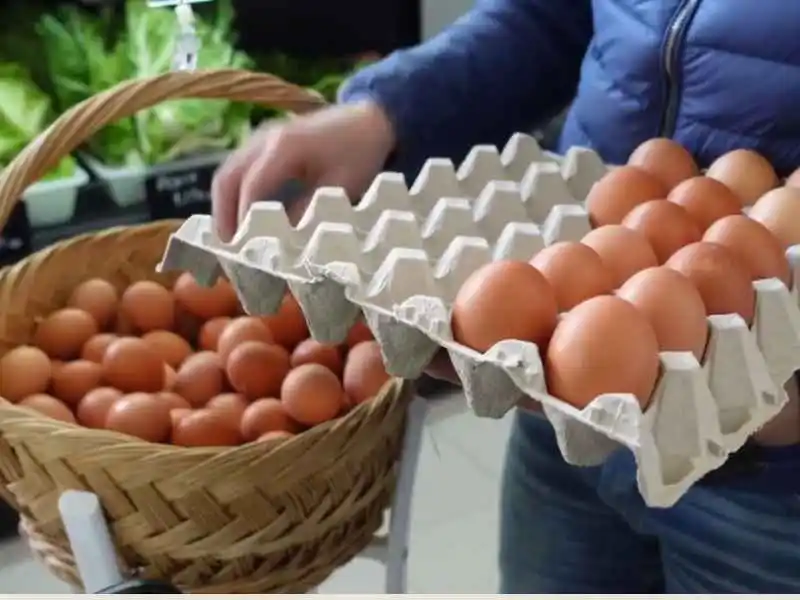
Rhode Island Red hens lay brown eggs, usually medium-brown to dark brown, and the size is large. Egg color comes from pigment deposited on the shell and has no effect on taste or nutrition. As the hen ages, her eggs may get slightly paler and larger.
Is the Rhode Island Red a Good Meat Bird?
Yes, but with a limit. Because it is dual-purpose, a Rhode Island Red rooster provides a decent carcass at about 3.9 kg, and old hens make flavorful soup and slow-cooked dishes. However, it grows slower than a commercial broiler, so if meat is your only goal, a broiler is more efficient. For current meat prices in Pakistan, check our daily chicken rate today page.
Famous Rhode Island Red Crosses and Mixes
Because the Rhode Island Red chicken is such a strong laying bird, it is the parent of many popular hybrids:
- Black Sex Link (Black Star): Rhode Island Red rooster × Barred Plymouth Rock hen. Chicks can be sexed by color on day one, and hens are excellent layers.
- Red Sex Link (Red Star, Golden Comet type): Rhode Island Red-based cross with a white or silver breed. Known for very high egg numbers and a friendly nature.
- Production Red: a commercial line bred purely for egg numbers, often laying more than the heritage type.
- Rhode Island Red × Leghorn: a lighter, very active layer.
- Rhode Island Red × Wyandotte: a calm, hardy bird that handles cold well. See our Wyandotte chicken guide.
- Rhode Island Red × Aseel: a strong, hardy bird used by some farmers for desi-type meat. Read about Aseel chicken.
If you are comparing hybrids, our complete guide to the ISA Brown hen shows how another famous brown-egg layer stacks up.
Interesting Facts About the Rhode Island Red Chicken
- It is the state bird of Rhode Island.
- A monument in Adamsville, Little Compton honors the breed.
- It is one of the oldest American breeds still in wide use.
- Its Malay and Leghorn ancestry gave it both size and laying power.
- It is so hardy that it keeps laying on marginal diets and in poor coops.
- It is the foundation of many modern sex-link hybrids.
- Chicks are light red to tan, and darken as they feather out.
- Broodiness has been partly bred out of the best laying strains.
Rhode Island Red Chicken Care Tips
- Coop: at least 4 square feet per bird, good ventilation and one nest box for every 4 to 5 hens.
- Feed: layer feed with grit and oyster shell on the side; treats should be under 10% of the diet.
- Water: clean and always available, especially in Pakistani summers.
- Health: follow a regular vaccination and deworming plan; our vaccination schedule is a useful starting reference.
- Business: thinking of selling eggs? Our poultry farming business plan for Pakistan breaks down real costs, and our guide on how to start layer chicken farming covers setup.
Rhode Island Red Chicken FAQs (People Also Ask)
How many eggs does a Rhode Island Red lay per week?
Around 4 to 6 eggs per week at peak production.
How long do Rhode Island Reds lay eggs?
They lay best for the first 2 years, stay useful for about 3, and can continue with lower output for many years.
What color eggs do Rhode Island Reds lay?
Brown, usually medium to dark brown.
At what age do Rhode Island Reds start laying?
Between 18 and 22 weeks.
Are Rhode Island Reds aggressive?
Hens are mostly active and bossy. Roosters can be aggressive, particularly in small space.
Are Rhode Island Reds good for beginners?
Yes. They are hardy, forgiving and productive, as long as you give them enough room.
How big does a Rhode Island Red get?
Roosters reach about 3.85 kg and hens about 2.95 kg.
Is the Rhode Island Red a heritage breed?
Yes, the standard-bred type is a heritage breed, while production strains are bred for higher egg numbers.
Which is better, Rhode Island Red or ISA Brown?
ISA Browns usually lay more eggs in year one, while the Rhode Island Red chicken is hardier, longer-lived and also provides meat.
Final Thoughts
The Rhode Island Red chicken has earned its place as a state bird, a farm favorite and the parent of many modern hybrids. It is hardy, productive, easy to find and forgiving of mistakes. Give it space, balanced feed and clean water, and you will be rewarded with a steady supply of large brown eggs for years. Explore more breeds in our Chicken Breeds section and let us know in the comments which breed you keep.