
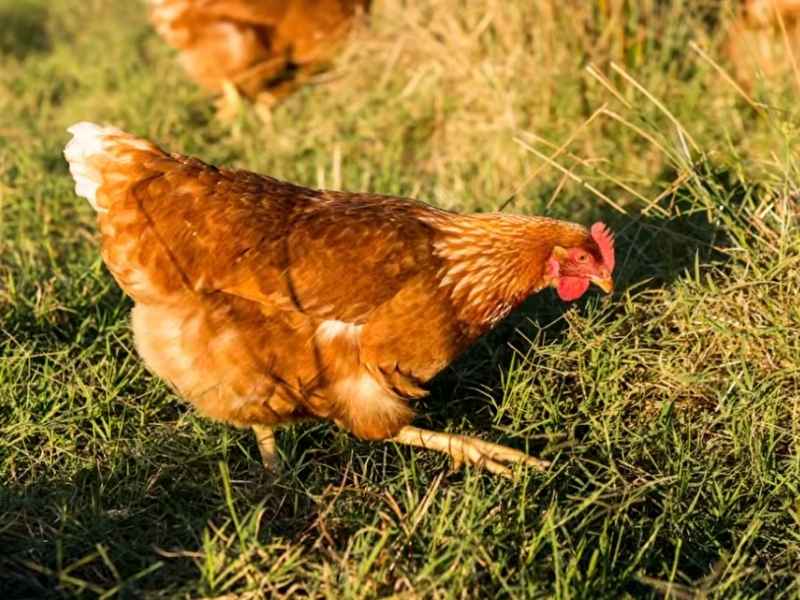
ISA Brown Breed:
The Complete Guide to
Care, Eggs, and Temperament
If you’ve ever bought brown eggs from a local farm or started your own backyard flock, chances are you’ve already met an ISA Brown hen without knowing it. This breed is one of the most popular egg-laying chickens in the world, prized by commercial farms and backyard keepers alike for its reliability, friendly nature, and impressive egg output.
In this guide, we’ll cover everything you need to know about the ISA Brown chicken — where the breed comes from, how many eggs it lays, how to care for it, and the most common questions people ask before bringing one home. You can find additional breed history details in Tractor Supply’s ISA Brown breed guide.
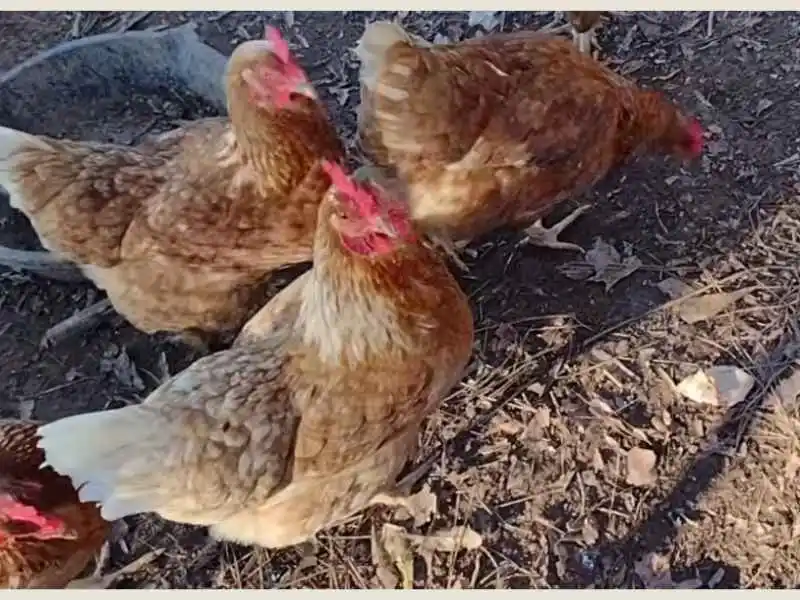
What Is an ISA Brown Hen?
Isa brown isn’t a traditional heritage breed — it’s a hybrid, developed by the French breeding company ISA (Institut de Sélection Animale) in 1978. The goal was simple: create a hen that laid large numbers of brown eggs, matured quickly, and stayed calm enough for both commercial and backyard settings.
ISA Browns are typically a cross between Rhode Island Red and Rhode Island White parent lines, selectively bred over generations to maximize egg production. Because of this hybrid vigor, this breed tends to outlay most heritage breeds by a wide margin.
If you’re comparing hybrid layers like the ISA Brown against traditional heritage stock, our guide on heritage vs. commercial chicken breeds breaks down the key differences in temperament, lifespan, and productivity.
One practical bonus: ISA Brown chicks are sex-linked, meaning males and females hatch in different colors. This makes it easy to identify pullets (female chicks) right away — a huge advantage for anyone who wants to avoid accidentally raising a rooster.
ISA Brown Breed Appearance and Characteristics
It has a classic “farmyard chicken” look that makes it instantly recognizable:
Because they were bred primarily for egg production rather than show quality, ISA Browns won’t win poultry beauty contests — but their sturdy, no-fuss build makes them easy to manage in almost any climate.
How Many Eggs Does an ISA Brown Hen Lay?
A well-cared-for ISA Brown hen can lay 300–350 eggs per year — among the highest output of any egg-laying breed. If you’re weighing your options before choosing a breed, check out our full roundup of the best layer chickens to see how ISA Browns stack up against other top producers.
If you’re located in Pakistan or a similar climate and wondering how ISA Browns perform locally, our guide on egg-laying hens in Pakistan covers breed suitability, seasonal laying patterns, and regional care tips.
Factors That Affect ISA Brown Egg Production
- Daylight hours (14+ hours of light supports steady laying)
- Diet quality (protein-rich layer feed is essential)
- Stress levels (predators, overcrowding, or extreme heat can reduce output)
- Age of the hen
ISA Brown Chicken Temperament
If you’re choosing chickens for a family backyard, temperament matters as much as egg count — and this is another area where the ISA Brown shines.
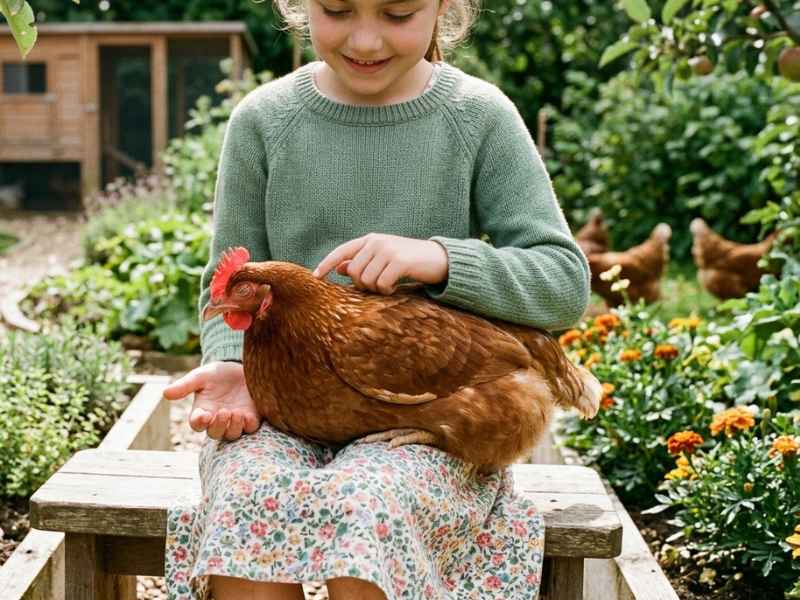
They are known for being:
- Friendly and people-oriented — many will happily approach for treats or a gentle pet
- Docile — rarely aggressive toward humans or other flock members
- Good with children — calm enough for supervised handling
- Confident foragers — active and curious, but not flighty
This easy-going nature is one reason the ISA Brown breed is often recommended as a beginner-friendly breed for first-time chicken keepers.
How to Care for an ISA Brown Chicken?
Housing
Provide at least 2–3 square feet per bird inside the coop and 8–10 square feet in an outdoor run. Good ventilation and predator-proofing are essential.
Diet
Feed a 16–18% protein layer feed, supplemented with:
Calcium (crushed oyster shell) for strong eggshells
Grit for digestion
Occasional kitchen scraps and greens as treats
Water
Fresh, clean water at all times — egg production drops quickly if hens become dehydrated.
Nesting Boxes
One nesting box per 3–4 hens is sufficient, since ISA Browns aren’t territorial about laying spots.
Health Monitoring
Because the ISA Brown is bred for maximum egg output, it’s more prone to reproductive issues (like egg binding or prolapse) compared to heritage breeds. Regular health checks are important, especially as hens age past 2–3 years.
ISA Brown Breed Lifespan
With proper care, an ISA Brown breed typically lives 5–8 years, though some may live longer. It’s worth noting that peak egg production usually only lasts the first 2 years — after that, hens lay less frequently but can still be valuable, low-maintenance flock members.
ISA Brown vs. Other Popular Breeds
| Breed | Eggs/Year | Temperament | Best For |
|---|---|---|---|
| ISA Brown | 300–350 | Very friendly | Beginners, egg production |
| Rhode Island Red | 200–280 | Moderately friendly | Dual-purpose (eggs + meat) |
| Leghorn | 280–320 | Flighty, independent | High egg output, less handling |
| Orpington | 180–200 | Very calm | Families, cold climates |
Pros and Cons of Raising ISA Brown Chickens
Pros
Cons
Frequently Asked Questions
How many eggs does an ISA Brown hen lay per week?
On average, a healthy ISA Brown lays 5 to 6 eggs per week during peak production, which typically occurs in the first one to two years of laying.
Are ISA Brown chickens good for beginners?
Yes. Their calm temperament, high egg output, and adaptability make the them one of the most recommended breeds for first-time chicken keepers.
How long do ISA Brown live?
Most ISA Brown chickens live between 5 and 8 years, though egg production slows significantly after the first two years.
Do ISA Brown hens need a rooster to lay eggs?
No. Hens lay eggs regardless of whether a rooster is present. A rooster is only needed if you want fertilized eggs for hatching.
What do ISA Brown hens eat?
A balanced layer feed with 16–18% protein, supplemented with calcium, grit, and occasional fresh greens or kitchen scraps.
Can ISA Brown hens free-range?
Yes, they are active, confident foragers and do well in free-range or semi-free-range setups, provided there’s adequate predator protection.
What color eggs do ISA Brown chickens lay?
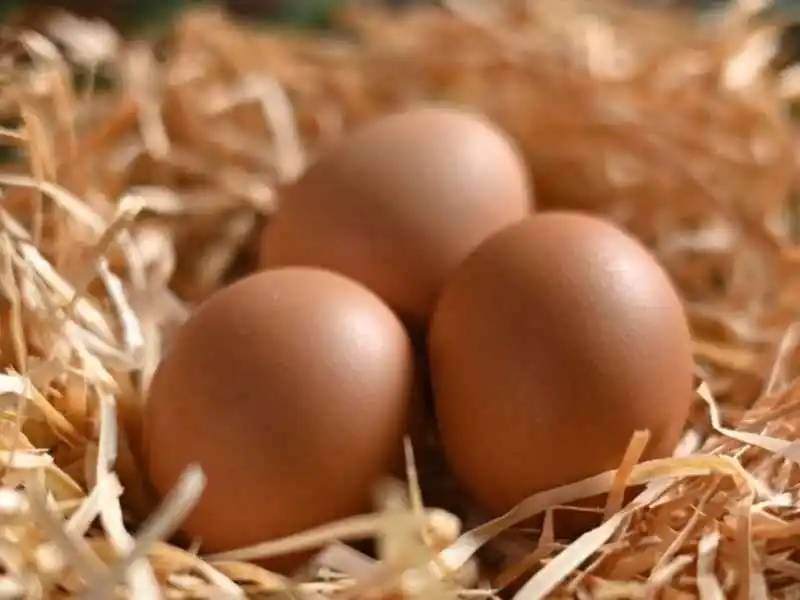
ISA Brown chickens lay large, brown-shelled eggs, prized for their consistent size and shape.
Final Thoughts
The ISA Brown hen remains one of the best choices for anyone wanting a reliable, friendly, and highly productive backyard chicken. Whether you’re just starting your flock or looking to boost your egg supply, this breed offers an excellent balance of temperament and performance.
If you’re still deciding which breed fits your flock goals, start with our best layer chickens comparison, and if you’re keeping chickens in a hot or variable climate, our egg-laying hens in Pakistan post is a useful regional companion piece.