
Layers Chicken Farming at Home: Step-by-Step Guide for Beginners
Layers chicken farming at home means raising egg-laying hens in a backyard, rooftop or small shed to produce fresh eggs for your family and, if you wish, for sale. With 10 to 50 hens, a simple coop, balanced feed and a basic vaccination routine, you can collect 8 to 40 eggs daily. A good hen starts laying at about 18 to 20 weeks of age.
With egg and chicken prices changing constantly, many families now ask whether they can produce their own. This guide covers breeds, space, feed, health, costs and common mistakes, with Pakistani conditions in mind.
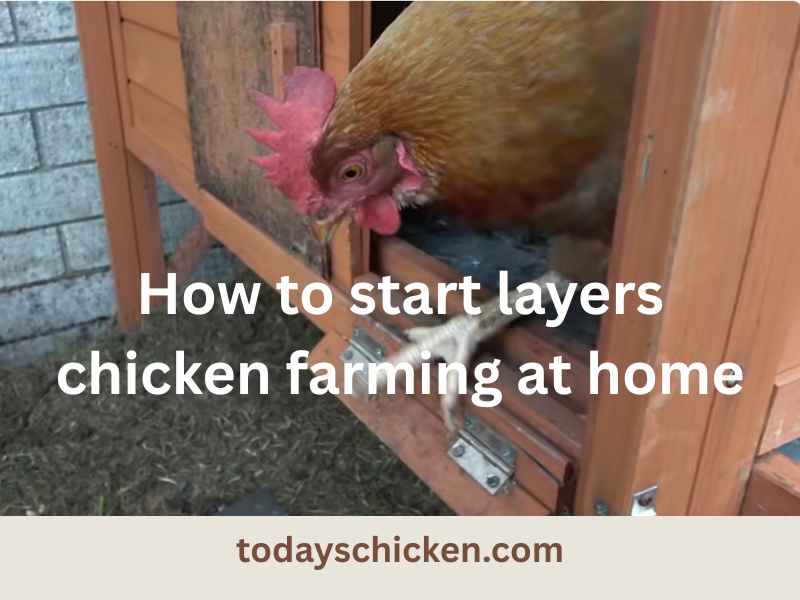
1. Why Start Layers Chicken Farming at Home?
Layers chicken farming at home gives you three clear benefits:
- Fresh, safe eggs. You know exactly what your hens eat, and eggs are among the cheapest sources of protein. See our guide on the nutritional value of chicken and the health benefits of chicken for more on poultry nutrition.
- Extra income. Even 20 hens can supply neighbours, shops or your own small stall.
- A low-cost start. Compared with broiler or commercial farming, a home layer setup needs little capital, and a hen keeps producing for more than a year.
If you later want to scale up, read our detailed poultry farming business plan in Pakistan and how to start layer chicken farming commercially.
2. Best Layer Breeds for Home Farming in Pakistan
Choosing the right breed is the most important decision in layers chicken farming at home. Pick a bird that suits your climate, space and goals.
| Breed | Eggs per year (approx.) | Best for | Notes |
|---|---|---|---|
| ISA Brown | 280–320 | High egg output | Calm, popular; see our ISA Brown hen guide |
| Lohmann Brown | 270–310 | Commercial-style home units | Good feed efficiency |
| Golden Misri / Desi hybrids | 150–200 | Hot climates, low input | Hardy and heat tolerant |
| Wyandotte | 180–220 | Dual purpose | See Wyandotte chicken |
| Aseel | 60–100 | Hobby, meat | See Aseel chicken |
For maximum eggs, start with ISA Brown or Lohmann. For low maintenance in hot areas, choose a hardy desi or hybrid. To compare types, read heritage vs commercial chicken breeds, best layer chickens and egg laying hens in Pakistan.
Tip: Buy point-of-lay pullets (16 to 18 weeks old) from a vaccinated, reputable hatchery. They cost more than day-old chicks but save you 4 to 5 months of brooding work and risk.
3. How Much Space Do You Need for Layers?
Overcrowding is a leading cause of stress, pecking and disease. Use these guidelines:
- Deep litter system (floor): 3 to 4 sq ft per hen indoors
- Free range or run: an extra 8 to 10 sq ft per hen outdoors
- Cage system: about 1 sq ft per bird (2 to 3 birds per cage)
- Nest boxes: 1 box per 4 to 5 hens
- Perches: 8 to 10 inches of perch per bird
Example: 10 hens need about 40 sq ft of indoor space, roughly a 5×8 ft shed, plus a small run.
4. Building a Simple and Safe Coop
A good coop for layers chicken farming at home should be:
- Well ventilated. Heat stress is a big problem in Pakistani summers. Use mesh sides, a raised roof and cross ventilation.
- Dry and predator proof. Use strong wire mesh to keep out cats, snakes and dogs. Raise the floor slightly to prevent dampness.
- Easy to clean. Spread 2 to 3 inches of rice husk or wood shavings as litter and turn it weekly.
- Shaded and cool. Place it under a tree or wall shade, facing away from harsh afternoon sun.
- Equipped with dark nest boxes. Hens prefer quiet, dim corners for laying.
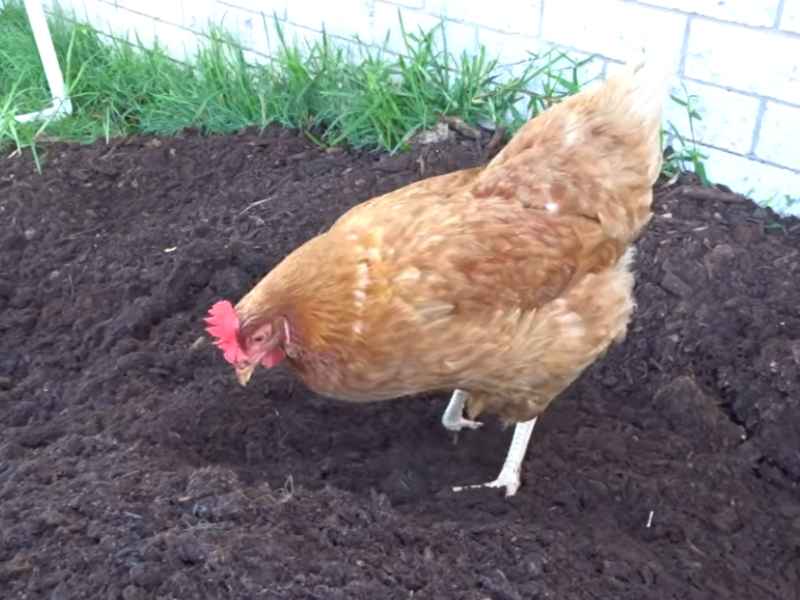
5. Feeding Layers: What, How Much and When
Feed is about 65 to 70% of your running cost, so manage it well.
Daily feed per hen: about 110 to 120 g of layer feed, plus clean water at all times (a laying hen drinks roughly twice as much water as feed by weight).
Feeding stages:
- Chick starter (0–6 weeks): 20–22% protein
- Grower (7–18 weeks): 16–18% protein
- Layer feed (from 18–20 weeks): 16–18% protein and 3.5–4% calcium
Practical tips:
- Provide oyster shell or limestone grit separately for strong eggshells.
- Add kitchen scraps and greens only in small amounts, as treats and not as the main diet.
- Never feed moldy or spoiled grain, because it can poison birds.
- Feed in the cool morning and evening during summer.
Learn more in our broiler chicken feed guide for the basics of poultry nutrition, and check nutrients in chicken.
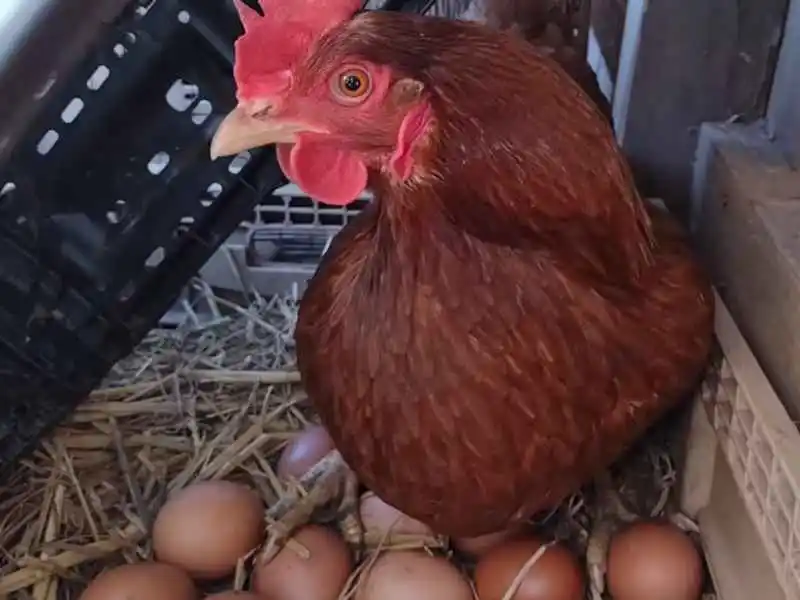
6. Vaccination and Health Care
Disease can wipe out a small flock fast, so prevention matters more than treatment. Follow the schedule given by your hatchery or a local poultry veterinarian. A typical outline includes:
- Day 1: Marek’s disease (usually done at the hatchery)
- Days 5–7: Newcastle disease (ND) and infectious bronchitis (IB)
- Days 14–18: Gumboro (IBD)
- Weeks 6–8: Fowl pox, ND booster
- Weeks 14–16: ND and other boosters before laying
Our vaccination schedule for broiler chickens explains the principles in detail; layers need extra boosters because they live much longer. Dosing and timing vary by region and vaccine brand, so always confirm with a qualified vet.
For general poultry health and disease guidance, the FAO poultry production and products pages are a trusted international reference.
Daily health checks:
- Look for dull eyes, ruffled feathers, drooping wings or reduced feed intake.
- Watch droppings, because watery or bloody droppings need quick action.
- Isolate any sick bird immediately.
- Disinfect waterers weekly and keep visitors and wild birds away.
7. Lighting and Egg Production
Hens need about 14 to 16 hours of light daily to lay consistently. In winter, when days are short, add a low-wattage bulb in the early morning or evening. Keep the schedule steady, because sudden changes can cause a drop in eggs.
Production curve:
- First egg: 18–20 weeks
- Peak production: 25–30 weeks (up to 90% of hens laying)
- Gradual decline after 72 weeks; many keepers replace or sell hens at 18 to 24 months
To understand the laying process in more detail, see egg production in chickens.
8. Costs and Profit: Is It Worth It?
Here is a rough example for 20 ISA Brown layers (prices are estimates and change often, so check current local rates):
| Item | Approx. cost |
|---|---|
| 20 point-of-lay pullets | PKR 2,800–3,500 each |
| Coop, feeders, waterers, nest boxes | PKR 40,000–70,000 |
| Feed (≈ 2.3 kg/day for 20 hens) | PKR 18,000–25,000 per month |
| Vaccines, medicine, litter, bulb | PKR 2,000–4,000 per month |
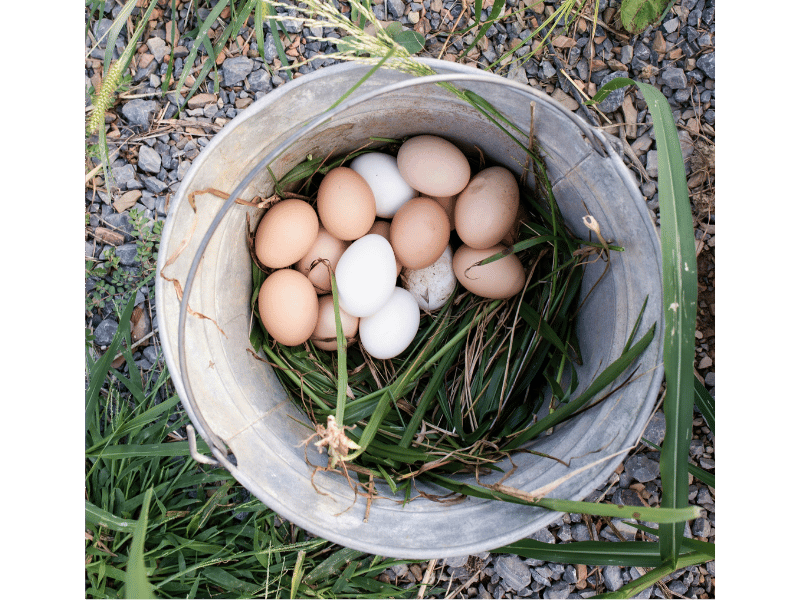
At 80% production, 20 hens give about 16 eggs per day, or around 480 per month. Whether this is profitable depends on feed prices, egg prices and your own labour. Home production mainly saves money on household eggs, and selling the surplus adds a small margin. Track current prices with our chicken rate list, monthly chicken price trends and the factors affecting chicken rates. You can also compare local markets, for example chicken rate today in Lahore or Rawalpindi.
If you want to buy in bulk, browse chicken suppliers.
9. Common Mistakes to Avoid in Layers Chicken Farming at Home
- Overcrowding the coop. It leads to stress and disease.
- Skipping vaccination. One outbreak can end your whole project.
- Poor ventilation in summer. Heat stress sharply cuts egg output.
- Feeding low-quality or home-mixed feed without balance. Missing calcium causes soft shells.
- No water access. Even a few hours without water reduces laying.
- Ignoring record keeping. Track daily eggs, feed and mortality to spot problems early.
- Mixing ages. Keep birds of similar age together to limit disease transfer and bullying.
10. People Also Ask: Layers Chicken Farming at Home FAQs
How many hens do I need to start layers chicken farming at home?
For a family of 4 to 5, 6 to 10 hens usually supply enough eggs. For a small side income, start with 25 to 50.
How long does it take for a layer hen to start laying eggs?
Most commercial layer breeds start between 18 and 20 weeks. Desi breeds may take 24 weeks or longer.
How many eggs does one hen lay per year?
ISA Brown and Lohmann hens lay around 280 to 320 eggs a year in good conditions. Desi hens lay about 60 to 150.
Which breed is best for layers chicken farming at home in Pakistan?
ISA Brown gives the highest output, while desi or Golden Misri hybrids tolerate heat and poor conditions better.
Do hens need a rooster to lay eggs?
No. Hens lay eggs without a rooster; a rooster is only needed for fertilised eggs that you want to hatch.
How much feed does a laying hen eat per day?
About 110 to 120 g of balanced layer feed, plus constant clean water.
Can I keep layer hens on a rooftop or in a small yard?
Yes. Provide shade, ventilation, a secure coop, and at least 3 to 4 sq ft per bird indoors.
Why has my hen stopped laying?
Common causes are heat stress, moulting, poor feed, short daylight, stress, illness or old age. Check these in order.
Is layers chicken farming at home profitable?
At home scale, it mainly cuts egg costs and gives a small surplus. Profit depends on feed prices, mortality and egg rates.
Conclusion
Layers chicken farming at home is a practical, low-cost way to get fresh eggs and, with some planning, extra income. Choose a good breed, give enough space, feed a balanced diet, vaccinate on time and keep the coop clean and cool. Start small, record your numbers, and scale up as you gain confidence. For recipes using your fresh eggs and chicken, try our chicken biryani recipe, easy chicken karahi or chicken curry.